
Cat® C18 Engine: Objective Pros, Cons, and Comprehensive Maintenance Guide
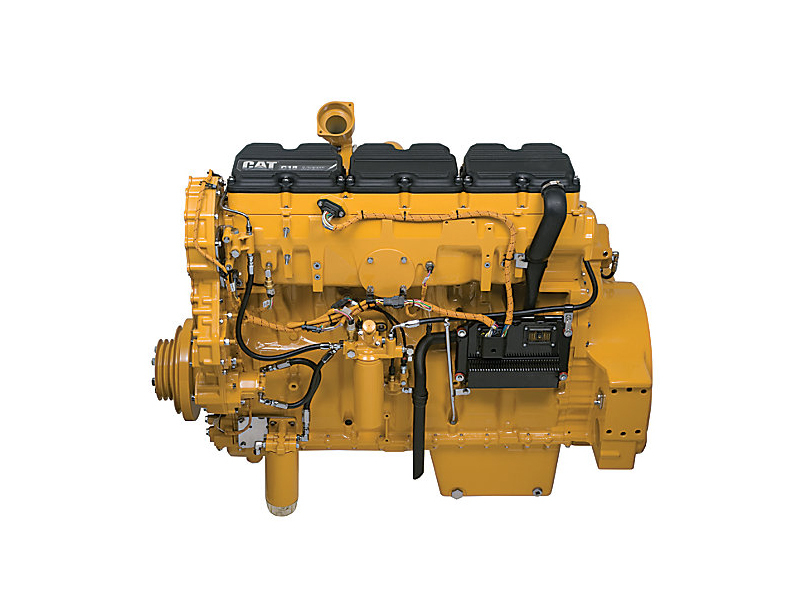
The Cat C18 has solidified its position in industrial power systems, but no engine is without tradeoffs. This blog offers an unbiased analysis of its strengths and limitations and provides a step-by-step maintenance playbook to maximize its lifespan and reliability. Whether you’re an equipment operator, fleet manager, or maintenance technician, this guide will help you make informed decisions about the C18 and keep it running at peak performance.

Part 1: Objective Pros and Cons of the Cat C18
To evaluate the C18 fairly, we’ll break down its advantages and drawbacks across key metrics: performance, cost, compliance, and adaptability.
Pros: Where the C18 Excels
- Balanced Power and Efficiency
The C18’s 18.1L displacement and turbocharged variants (TA/TTA) deliver 429–597 bkW of power—enough for heavy-duty tasks like mining drills or marine propulsion—while maintaining competitive fuel efficiency. In real-world tests, the TTA variant (800 bhp) uses 8–12% less fuel than comparable engines (e.g., Cummins QSK19) under medium-load conditions, thanks to Caterpillar’s advanced fuel injection system.
- Global Emissions Compliance
Unlike some competitors that require region-specific modifications, the C18 meets strict standards worldwide: U.S. EPA Tier 4 Final, EU Stage V, China Nonroad Stage IV, and IMO II/III. The TA variant’s DOC+DPF+SCR system with transparent regeneration avoids unplanned downtime, while the TTA’s DEF-free design cuts long-term operational costs for users in regions with limited DEF access.
- Durability and Low Maintenance Intervals
Built with Caterpillar’s industrial-grade components (e.g., forged steel crankshaft, high-pressure fuel rails), the C18 typically achieves 20,000+ hours of service before a major overhaul—15–20% longer than similar engines. Its 5,000-hour oil change interval and 10,000-hour air filter replacement cycle reduce maintenance frequency and labor costs.
- Versatile Application Compatibility
The C18’s modular design adapts to diverse uses: construction (cranes, bore rigs), power generation (550–715 kVA gensets), marine (fishing vessels, dredgers), and agriculture (large tractors). Its compact footprint (1,545 mm L × 1,141 mm W × 1,334 mm H) fits tight equipment enclosures, and factory-approved modifications (e.g., keel cooling for marine use) simplify installation.
Cons: Limitations to Consider
- Higher Initial Purchase Cost
The C18’s premium engineering comes with a higher upfront price tag—10–15% more than entry-level engines like the Detroit Diesel DD16. For small businesses or short-term projects, this can be a barrier, though long-term fuel and maintenance savings often offset the cost over 5+ years.
- Weight and Size Constraints
Weighing approximately 1,850 kg (4,080 lbs), the C18 is heavier than compact alternatives (e.g., Volvo D16K, ~1,600 kg). This limits its use in weight-sensitive applications like light-duty construction equipment or small marine vessels, where payload capacity is critical.
- Complex Aftertreatment for TA Variant
While the TA’s DOC+DPF+SCR system ensures compliance, it requires regular monitoring (e.g., DPF soot levels, DEF quality) to avoid malfunctions. In dusty environments (e.g., mining, desert construction), DPF clogging risks increase—requiring more frequent inspections and potential cleaning, which adds to maintenance time.
- Parts and Service Access in Remote Regions
Caterpillar’s global dealer network (1,800+ locations) covers most industrial hubs, but users in remote areas (e.g., rural Africa, Arctic regions) may face delays in sourcing genuine C18 parts (e.g., turbochargers, fuel injectors). This can extend downtime if backup parts aren’t stocked locally.
Part 2: Comprehensive Maintenance Guide for the Cat C18
Proper maintenance is critical to unlocking the C18’s full potential. Below is a scheduled maintenance checklist and step-by-step tips for key systems, aligned with Caterpillar’s official recommendations.
1. Scheduled Maintenance Timeline
Follow this interval-based plan to avoid premature wear:
|
Interval
|
Key Tasks
|
|
Every 250 Hours
|
- Check engine oil level and quality- Inspect coolant level and condition- Clean air filter (replace if damaged)- Check for fuel leaks (lines, injectors)
|
|
Every 500 Hours
|
- Replace engine oil and oil filter- Inspect drive belts for tension/wear- Test battery voltage and connections- Check turbocharger for oil leaks or play
|
|
Every 1,000 Hours
|
- Replace fuel filter- Inspect DPF (TA variant): Check soot load via Cat ET (Electronic Technician) software- Clean coolant expansion tank- Inspect exhaust system for cracks
|
|
Every 5,000 Hours
|
- Replace air filter- Flush and replace coolant- Inspect cylinder head gaskets for leaks- Test SCR system (TA variant): Check DEF injector functionality
|
|
Every 10,000 Hours
|
- Overhaul turbocharger (if signs of wear: excessive noise, low boost)- Inspect piston rings and cylinder liners- Calibrate fuel injection system via Cat ET
|
2. Step-by-Step Maintenance for Critical Systems
A. Engine Oil and Lubrication
- Why It Matters: The C18’s high-pressure fuel system and turbochargers rely on clean oil to prevent wear. Using the wrong oil grade can cause premature failure.
- Steps:
- Warm the engine to 60–80°C (140–176°F) to thin the oil for complete drainage.
- Drain oil via the sump plug (located at the bottom of the engine block) and replace the oil filter with a genuine Cat 1R-1807 filter.
- Refill with Cat DEO-ULS 15W-40 oil (or equivalent meeting API CK-4 standards) to the “Full” mark on the dipstick.
- Run the engine for 5 minutes, then shut it down and recheck the oil level—top up if needed.
B. DPF Maintenance (TA Variant Only)
- Why It Matters: A clogged DPF triggers warning lights and reduces engine power. Transparent regeneration (auto-cleaning) works best with proper maintenance.
- Steps:
- Use Cat ET software to check DPF soot load: If >80%, initiate a parked regeneration (engine idles at 1,500 rpm for 20–30 minutes).
- If regeneration fails (soot load >95%), remove the DPF and clean it with a Cat-approved DPF cleaning kit (e.g., Cat 316-9982).
- Inspect the DPF for cracks or damage—replace if necessary (genuine Cat DPF part: 496-5498).
C. Coolant System
- Why It Matters: The C18’s liquid cooling system prevents overheating, especially in high-load applications like gensets. Contaminated coolant causes corrosion in the engine block.
- Steps:
- Drain coolant via the radiator drain valve and flush the system with clean water until the runoff is clear.
- Refill with Cat ELC (Extended Life Coolant) (50/50 mix with distilled water) to the “Max” mark on the expansion tank.
- Bleed air from the system: Start the engine, run it at 1,000 rpm for 10 minutes, and top up coolant if the level drops.
D. Fuel System
- Why It Matters: Dirty fuel causes injector clogging, leading to poor fuel efficiency and misfires. The C18’s high-pressure common rail (HPCR) system is sensitive to contaminants.
- Steps:
- Replace the primary fuel filter (Cat 1R-0750) and secondary fuel filter (Cat 1R-0751) every 1,000 hours.
- Drain water from the fuel/water separator (located near the fuel tank) by opening the drain valve until clear fuel flows.
- Use a fuel sample kit (Cat 326-1399) to test for water or sediment—if contamination is found, drain the entire fuel tank and clean it.
3. Troubleshooting Common Issues
|
Symptom
|
Possible Cause
|
Solution
|
|
Engine won’t start
|
Dead battery, clogged fuel filter, or air in fuel lines
|
Charge battery; replace fuel filter; bleed fuel lines
|
|
Low power output
|
Clogged air filter, DPF soot load >90%, or turbocharger wear
|
Clean/replace air filter; perform DPF regeneration; inspect turbo
|
|
Excessive smoke (black)
|
Fuel injector malfunction or incorrect fuel timing
|
Test injectors via Cat ET; recalibrate fuel system
|
|
Overheating
|
Low coolant level, clogged radiator, or faulty water pump
|
Refill coolant; clean radiator; replace water pump if leaking
|
Part 3: Final Recommendations
The Cat C18 is an excellent choice for long-term, high-demand applications where reliability and compliance are priorities. To mitigate its drawbacks:
- For cost-sensitive users: Opt for the TTA variant (DEF-free) to reduce operational expenses.
- For weight-limited applications: Consider adding counterweights or choosing a smaller engine if power requirements allow.
- For remote operations: Stock critical parts (oil filters, fuel injectors, DPF) locally to avoid downtime.
By following the maintenance schedule and using genuine Cat parts, you can extend the C18’s lifespan to 25,000+ hours and maximize its return on investment.
For personalized maintenance plans or troubleshooting, contact your local Cat dealer or access the Cat Service Information System (SIS) for detailed technical manuals.
